Introduction: The Misunderstanding Around Front-Panel IP Ratings
In washdown environments such as food processing and pharmaceutical production, many industrial panel PCs are specified with IP69K-rated front panels. This specification is often interpreted as a guarantee that the entire system is suitable for direct washdown exposure.
In practice, this assumption leads to premature failures, water ingress, and corrosion, even when the front panel itself meets IP69K requirements.
This article explains why a front-panel IP rating alone is not sufficient in washdown zones, and why embedded installation with a protective enclosure is required when using front-panel IP69K panel PCs.
What a Front-Panel IP69K Rating Actually Covers
A front-panel IP69K rating applies only to the exposed front surface of the panel PC.
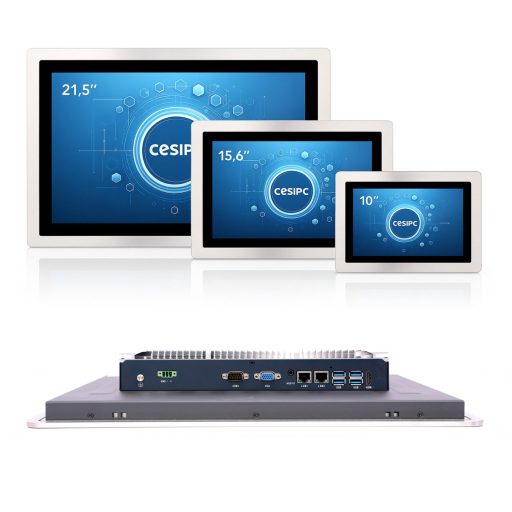
This typically includes:
- The display surface
- The front bezel
- The front-side sealing interface
It does not include:
- The rear housing
- I/O connectors
- Cable entries
- Venting or mechanical seams
- Power and signal interfaces
From an engineering perspective, a front-panel IP rating is a localized protection specification, not a system-level one.
Why Front-Panel IP69K Fails in Direct Washdown Zones
1. Rear and I/O Exposure
In direct washdown zones, water jets do not remain confined to the front surface. High-pressure cleaning inevitably reaches:
- Rear housings
- Connector interfaces
- Cable glands
Since these areas are typically not IP69K-rated, water ingress becomes unavoidable.
2. Seal Stress Beyond Front-Panel Design
Front-panel IP69K testing assumes:
- Defined nozzle distance
- Controlled spray direction
- Limited exposure time
Real washdown procedures introduce:
- Random spray angles
- Extended exposure duration
- Repeated thermal cycling
This causes seal fatigue at the panel-to-cabinet interface, even if the front panel itself remains intact.
3. Cleaning Chemicals and Residue Accumulation
Washdown environments commonly involve:
- Alkaline or acidic detergents
- Foam cleaning agents
- Disinfectants
When the rear side of a front-panel-only IP69K system is exposed, these chemicals can:
- Accumulate around connectors
- Attack sealing materials
- Accelerate corrosion of fasteners and housings
When a Front-Panel IP69K Panel PC Can Be Used Correctly
A front-panel IP69K panel PC can be a valid and reliable solution, if installed correctly.
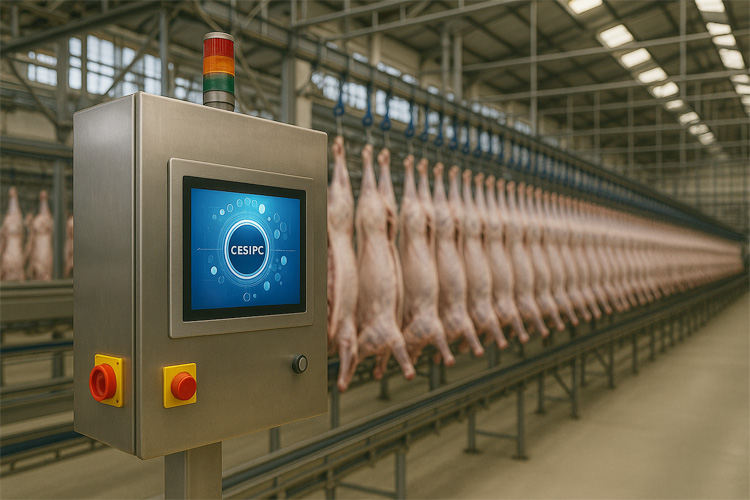
The Key Requirement: Embedded Installation
Front-panel IP69K systems are designed to be:
- Embedded into a cabinet, enclosure, or machine panel
- With only the front surface exposed to the washdown environment
In this configuration:
- The front panel handles direct washdown
- The rear side is protected from water, steam, and chemicals
- The sealing interface works as intended
Why a Protective Enclosure Is Mandatory in Washdown Zones
System-Level Protection
In washdown zones, protection must be evaluated at system level, not component level.
A protective enclosure provides:
- Environmental isolation for rear housing and I/O
- Controlled cable entry and strain relief
- Protection against direct high-pressure jets
- Improved long-term sealing stability
Without an enclosure, a front-panel IP69K rating does not prevent system-level failure.
Compliance With Hygienic Design Practices
In food and pharmaceutical facilities, embedded installation with a hygienic enclosure:
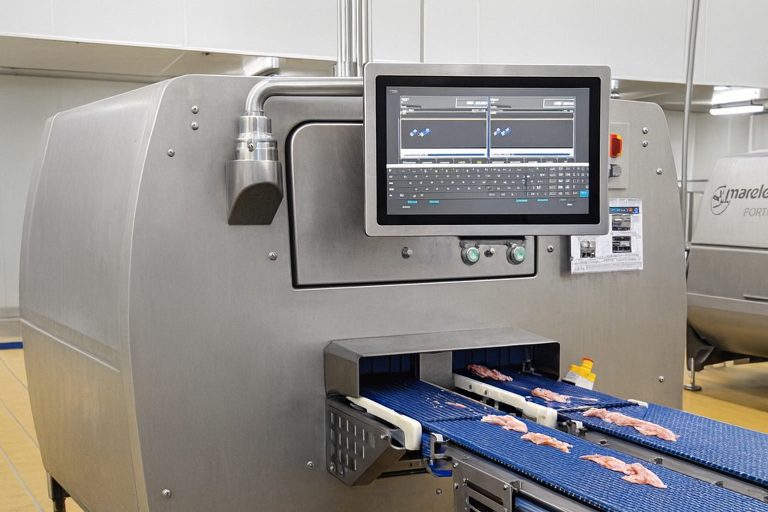
- Prevents water accumulation behind the panel
- Reduces contamination risk
- Simplifies cleaning procedures
- Aligns with hygienic design principles
This approach is widely adopted in:
- Food processing equipment
- Packaging machinery
- Pharmaceutical cleanroom systems
Typical Use Case: Embedded Panel PC With Protective Housing
A correct application scenario includes:
- Front-panel IP69K industrial panel PC
- Stainless steel or hygienic cabinet
- Sealed cable glands or M12 connectors
- Flush-mounted or recessed installation
In this setup, the system:
- Withstands daily washdown
- Maintains long-term reliability
- Avoids premature corrosion and leakage
Engineering Recommendation
If your application involves:
- Direct washdown exposure
- High-pressure or hot-water cleaning
- Chemical detergents
- No possibility of rear-side protection
Then a fully sealed stainless steel IP69K system is required.
However, if a front-panel IP69K panel PC is selected, it must be:
- Installed in an embedded configuration
- Combined with a protective enclosure
- Designed as part of a system-level washdown solution
Conclusion: Front-Panel IP69K Is Not a Standalone Washdown Solution
A front-panel IP69K rating is not misleading—but it is often misapplied.
In washdown zones:
- Front-panel IP69K alone is insufficient
- Embedded installation with a protective enclosure is mandatory
- System-level protection determines long-term reliability
Understanding this distinction helps engineers avoid costly failures and select the right architecture for washdown environments, rather than relying on front-panel ratings alone.