Introduction: Why IP Ratings Matter in Washdown Environments
In food processing, beverage production, and pharmaceutical manufacturing, industrial PCs are often exposed to cleaning procedures that go far beyond occasional water splashes. High-pressure washdown, hot water, and chemical detergents are part of daily hygiene routines.
When selecting a washdown industrial PC, engineers frequently face a practical question:
Is IP66 sufficient, or is IP69K really necessary?
This article explains the engineering differences between IP66 and IP69K, clarifies where IP66 is adequate, and identifies when IP69K becomes essential for long-term reliability in washdown environments.
What Do IP66 and IP69K Actually Mean?
IP66 Explained
IP66 provides:
- Complete protection against dust ingress
- Protection against powerful water jets from any direction
IP66 testing typically involves water jets at moderate pressure, designed to simulate heavy splashing or hose-down cleaning.
IP66 is commonly used for:
- Outdoor enclosures
- Industrial cabinets
- Equipment exposed to rain or occasional washdown
IP69K Explained
IP69K is a higher protection level originally developed for hygienic industries.
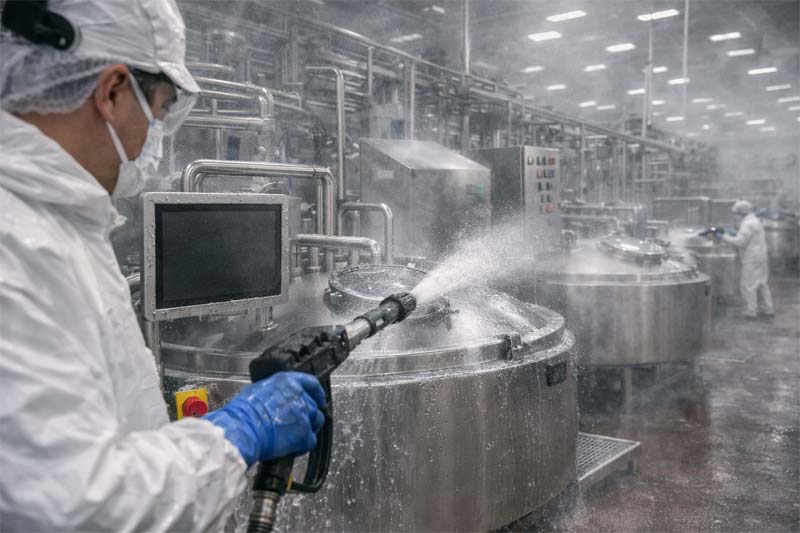
IP69K testing includes:
- Extremely high-pressure water jets
- High water temperature
- Close-range spray at multiple angles
- Defined nozzle distance and rotation
IP69K is designed to simulate real washdown cleaning procedures, not just water exposure.
Engineering Differences Between IP66 and IP69K
While both ratings involve water resistance, the engineering implications are very different.
Water Pressure and Impact
- IP66 focuses on resistance to water jets
- IP69K focuses on resistance to high-energy impact from concentrated jets
In washdown zones, water does not gently contact the enclosure—it strikes surfaces, seals, and connectors with force.
Temperature and Thermal Stress
- IP66 testing is typically performed at ambient temperature
- IP69K testing includes hot water, introducing thermal expansion and contraction
Repeated hot wash cycles accelerate:
- Seal fatigue
- Material deformation
- Micro-leak formation
Chemical Exposure Reality
Neither IP66 nor IP69K formally certifies chemical resistance.
However:
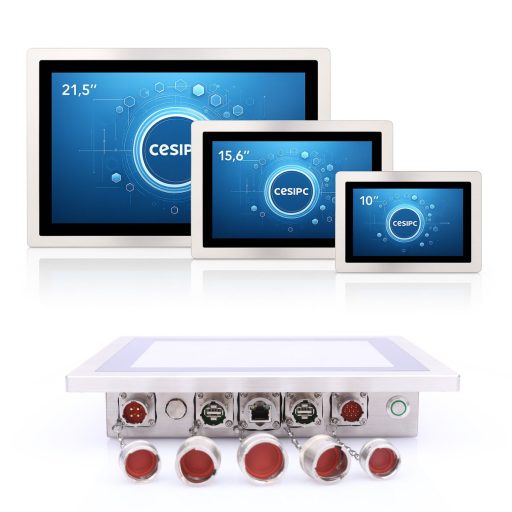
- Systems designed for IP69K environments typically use
- Stainless steel housings
- Hygienic sealing materials
- Chemical-resistant gaskets
In contrast, many IP66 systems rely on:
- Painted steel or aluminum
- Standard elastomer seals
- Cabinet-based protection assumptions
When IP66 Is Often Sufficient
IP66 can be appropriate when cleaning is limited and controlled.
Typical IP66-suitable scenarios include:
- Light splashing or rinse-down
- Cleaning with low-pressure hoses
- Indirect exposure to moisture
- Equipment mounted away from direct wash zones
Examples:
- Quality inspection stations
- Control rooms adjacent to production
- Packaging areas with periodic surface cleaning
In these cases, IP66 systems can perform reliably if installation and cable routing are properly designed.
When IP69K Is Truly Necessary
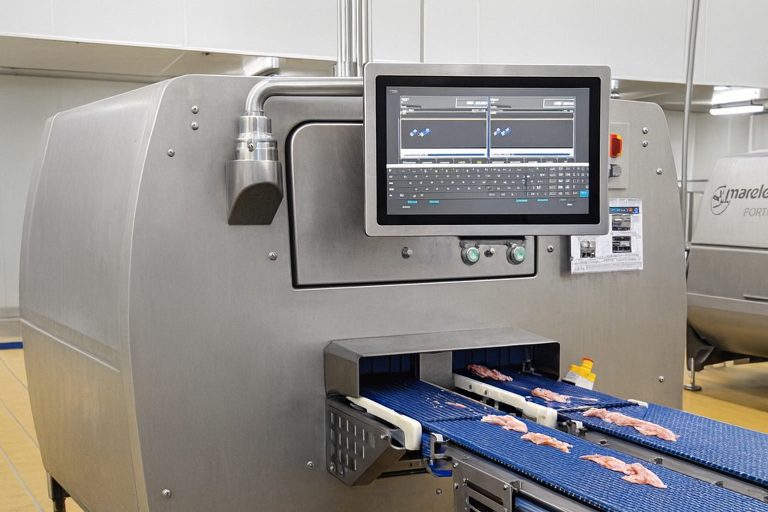
IP69K becomes necessary when cleaning procedures are aggressive, frequent, and unavoidable.
IP69K Is Required When:
- Daily or multiple washdown cycles are performed
- High-pressure water jets are used
- Hot water or steam-assisted cleaning is applied
- Foam and chemical detergents are sprayed directly
- Equipment is fully exposed without protective enclosures
Typical environments:
- Food processing main production lines
- Meat and poultry processing
- Dairy and beverage production
- Pharmaceutical wash zones
In these environments, IP66 systems often fail prematurely, even if they initially pass water resistance tests.
Why IP Ratings Alone Are Not Enough
A critical engineering misconception is assuming that front-panel IP rating equals system-level protection.
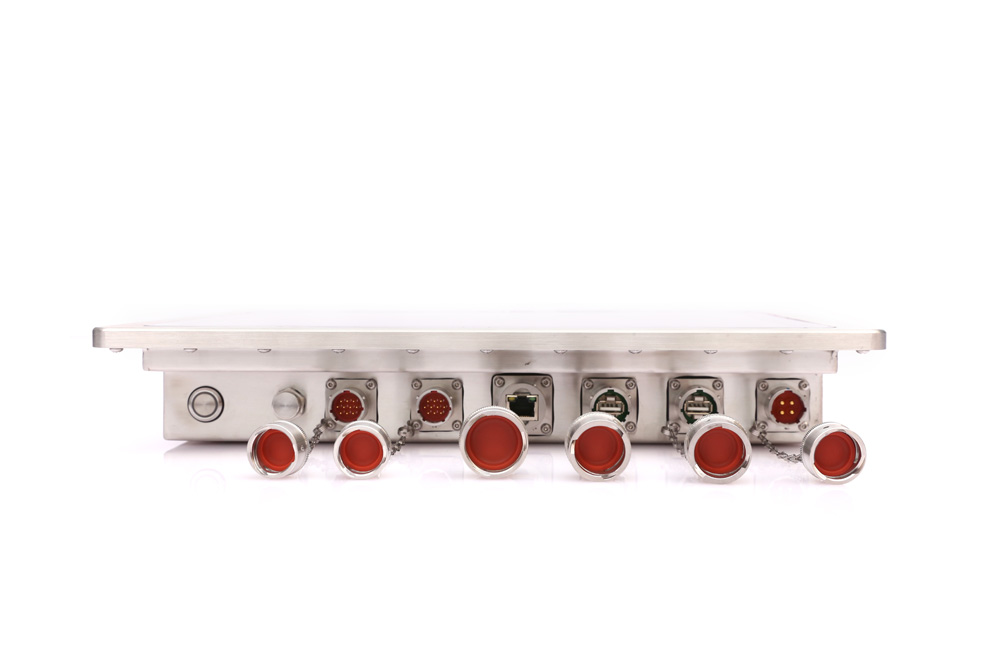
In real washdown failures, water ingress most often occurs at:
- Cable entries
- Connectors
- Gland interfaces
- Seal transitions between components
True washdown-ready systems are evaluated at system level, including:
- Enclosure
- I/O interfaces
- Cable exits
- Mounting orientation
This is where IP69K-designed systems differ fundamentally from IP66 designs.
Practical Comparison: IP66 vs IP69K for Washdown PCs
| Aspect | IP66 | IP69K |
|---|---|---|
| Water Pressure | Moderate | Very high |
| Water Temperature | Ambient | High temperature |
| Washdown Frequency | Occasional | Daily / frequent |
| Chemical Cleaning | Limited | Expected |
| Seal Fatigue Resistance | Moderate | High |
| Suitable for Direct Washdown | ❌ | ✅ |
Engineering Recommendation
If a system:
- Is installed in a direct wash zone
- Experiences daily high-pressure cleaning
- Cannot be protected by cabinets or shields
Then IP69K is not optional—it is necessary.
Choosing IP66 in these cases often results in:
- Early seal degradation
- Water ingress through connectors
- Corrosion of housings and fasteners
- Unplanned downtime and replacement costs
Conclusion: Choosing the Right Protection Level
IP66 and IP69K are both valid protection levels—but they are not interchangeable.
- IP66 is suitable for controlled, low-pressure environments
- IP69K is designed for real washdown conditions
For food processing and pharmaceutical production lines where hygiene demands frequent and aggressive cleaning, IP69K provides the durability and reliability that IP66 cannot guarantee.